Database CI/CD in 2026: Four Tools That Pull SQL Out of Manual Purgatory
2026 Database CI/CD Tool Roundup: How to Choose Among 4 Popular Tools?
Application releases have long entered the CI/CD era, but for the database change step, many teams still rely on manual processes.
After a developer submits SQL, it must go through risk checks and approvals, and at release time, someone has to switch environments and execute against each database one by one. Applications can already be built, tested, and released automatically, but databases often remain stuck outside the pipeline.
As a result, more and more teams are starting to bring database changes into CI/CD, so that from the moment SQL is committed, it follows a fixed process of checking, approval, execution, and tracking.
There are not many tools that truly provide complete CI/CD capabilities around the database release process. This article picks four relatively representative products and examines which scenarios each one suits.
What Is Database CI/CD?
Before surveying the tools, a brief introduction to database CI/CD.
CI/CD combines Continuous Integration and Continuous Delivery/Continuous Deployment. In simple terms, CI focuses on automatic checks and verification after changes are committed, catching problems early; CD is responsible for releasing verified changes through the process to development, testing, and production environments. Together, they turn a previously manual release process into an automated, traceable workflow.
Database CI/CD applies this same approach to databases, bringing table structures, indexes, stored procedures, and other database changes under version control like code, and placing them into pipelines for automatic execution, automatic verification, and auditable records.
For teams, the benefits include:
- Reducing the work of manually organizing SQL, logging into databases, and executing environment by environment;
- Catching dangerous SQL, structural conflicts, and other issues before formal execution;
- Preserving database change history for easier tracking and auditing;
- Reducing missed executions, ordering errors, and other problems in multi-environment releases;
- Making it easier to keep database changes and application releases in sync.
Let's look at a few representative database CI/CD tools below.
CloudDM: Fully Open Source, Complete Database Release Process
CloudDM is an open-source team database management tool that covers SQL review, ticket approval, operation auditing, data masking, and other database governance capabilities, while also providing database CI/CD functionality.
CloudDM's CI/CD starts from SQL in the code repository. After a change is triggered, CloudDM fetches the SQL from the code repository, compares it with an existing snapshot, identifies the newly added changes, and then proceeds through SQL review, ticket approval, and database execution in sequence.
The overall process can be roughly summarized as:
Code Repository → Identify Incremental SQL → SQL Review → Approval → Database Execution → Callback to Subsequent CI/CD
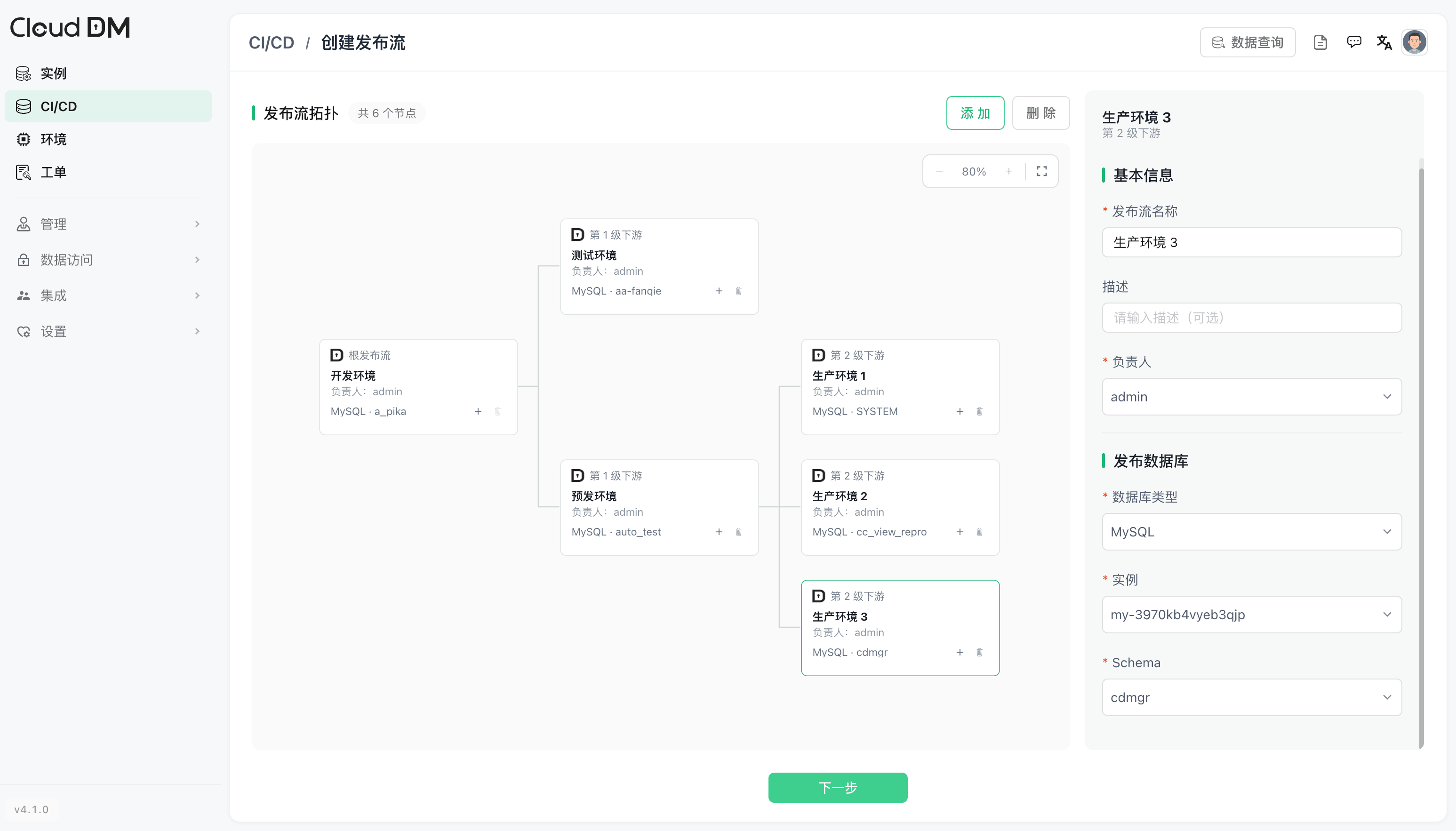
In terms of CI/CD, its representative capabilities include:
- Supports uploading SQL files: In addition to fetching changes from the code repository, you can also directly upload SQL files to initiate a database release
- Supports single release flows and release flow orchestration: Can release to a single target database or sequentially to multiple downstream databases
- Graphical release flow configuration: Organize the database release process through the interface, without needing to write large amounts of CI/CD orchestration scripts by hand
- Full coverage of review, approval, and execution: Git Push, WebHook, HttpCall can all trigger the change pipeline, can integrate with Gitee and GitLab; after SQL is committed, it can continue through review, ticket approval, and database execution
- Supports multiple databases: Covers MySQL, Oracle, PostgreSQL, TiDB, OceanBase, GaussDB, Dameng, and many other databases;
Price: CloudDM is now fully open source, with official source code available on GitHub and Gitee. All capabilities including database CI/CD, ticket workflows, SQL standards, and data masking are available without any restrictions. The commercial edition provides enterprise-level support and SLA.
Who it suits: If you need a one-stop platform that requires both CI/CD automation and security capabilities like approval, auditing, and masking, and you don't want to be locked into a commercial closed-source product, CloudDM is a platform worth trying first.
Liquibase: Bringing Database Changes into Existing CI/CD Pipelines
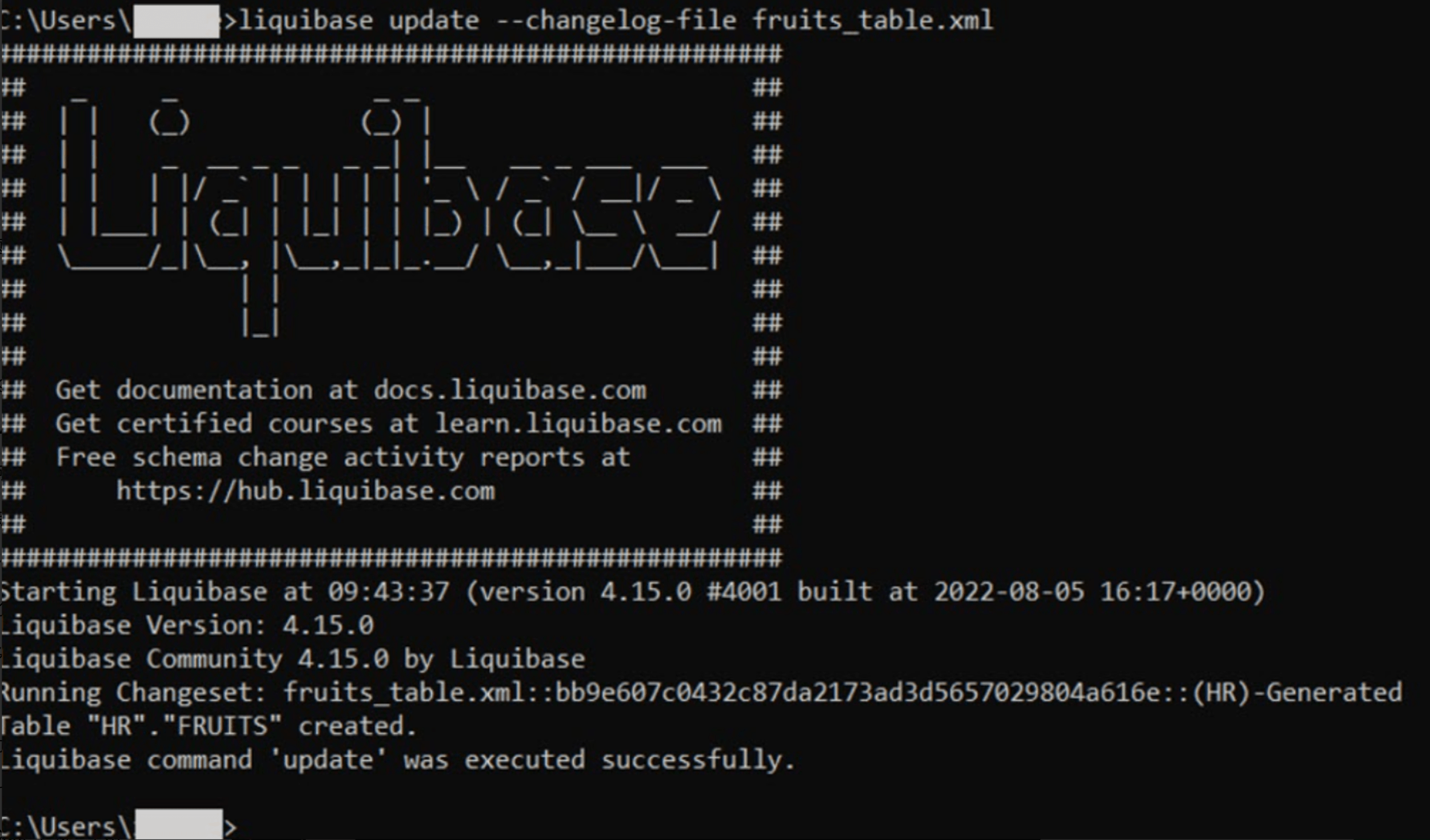
Liquibase is a database change management tool primarily used for recording, managing, and executing database structure and data changes. It can integrate into existing CI/CD pipelines such as Jenkins, GitLab CI, GitHub Actions, and Azure DevOps, allowing database changes to enter the automated release chain just like application code.
Liquibase's core approach is managing every database modification through changelogs. After a developer commits a change, the CI/CD pipeline can automatically invoke Liquibase to check which changes have not yet been executed, then apply them to the target database in order.
The Liquibase community edition can be used for basic database CI/CD, suitable for bringing database version management and automatic execution into existing pipelines. The commercial edition includes more enterprise-level capabilities, such as database change impact assessment, audit reports, and more complete permission controls, making it more suitable for enterprise teams with higher requirements for release processes, compliance auditing, and multi-environment consistency.
Price: The community edition is free to use; the commercial edition is priced according to different plans, with enterprise-level plans requiring determination based on actual scale and feature needs.
Who it suits: Teams that already have mature release pipelines like Jenkins or GitLab CI and want to manage database changes in a standardized way while stably integrating database releases into existing CI/CD.
Harness Database DevOps: Unified Orchestration of Database and Application
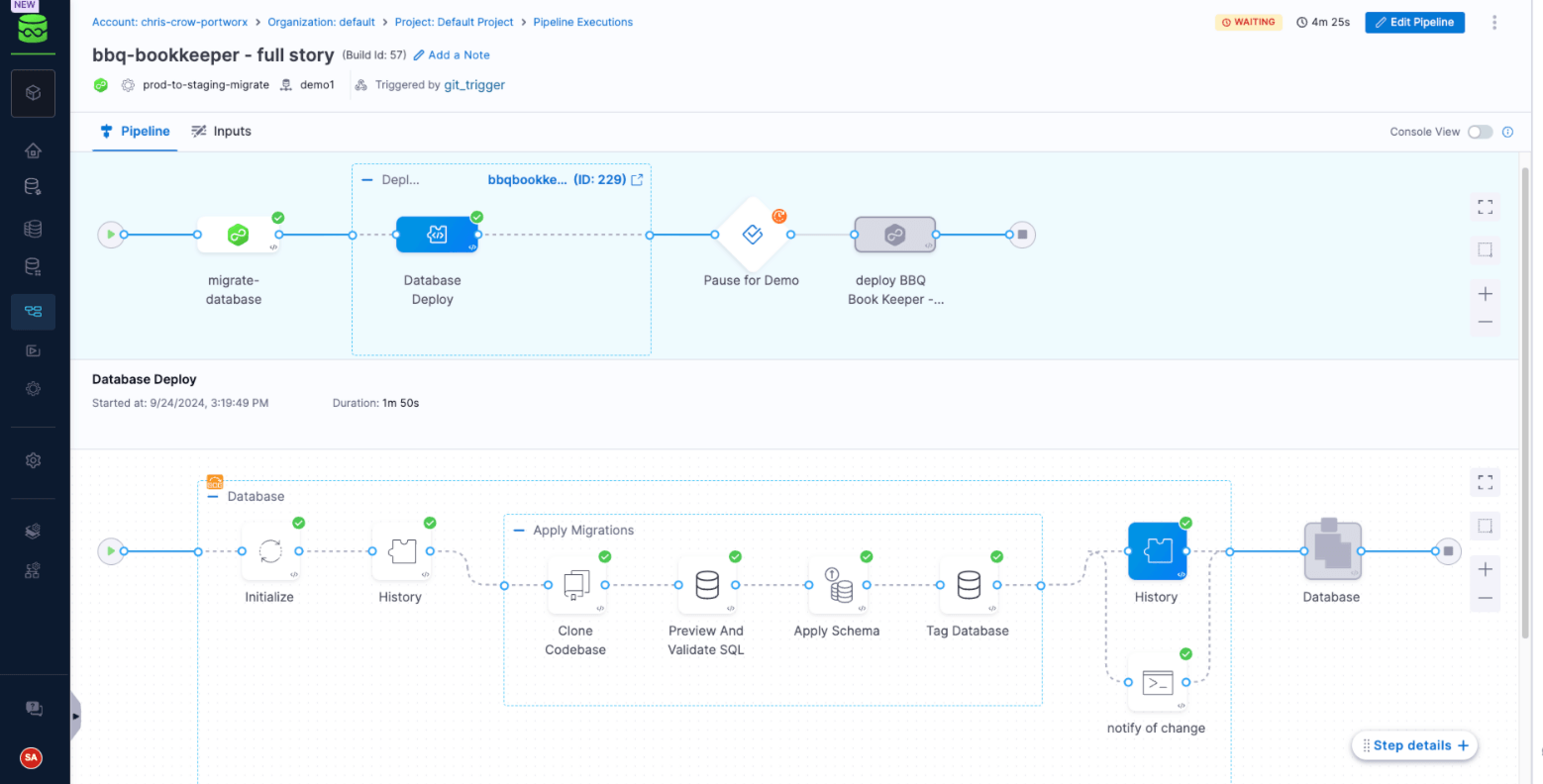
Harness Database DevOps is a Database DevOps product launched by Harness for database release and change management, primarily used to bring database changes into an enterprise's existing CI/CD pipeline.
Its biggest feature is unified orchestration of database and application releases, treating database changes as a standard step in the software delivery process and directly orchestrating them into the Harness Pipeline. After a developer submits Schema or SQL changes, they can be progressively advanced through development, testing, pre-production, and production environments, with approvals, policy checks, and execution controls added at each stage.
Database releases are no longer handled as a separate, independent step but as one step within the entire software delivery process.
Price: Database DevOps is included in Harness's DevOps Essentials and other plans; the vendor currently does not provide a separate fixed public price, and you need to contact sales.
Who it suits: Medium-to-large teams that already have a mature DevOps system, especially those already using Harness, and want to place databases, applications, and other delivery steps into the same release pipeline.
DBmaestro: Greater Emphasis on Release Security and Environment Consistency
DBmaestro is a fairly typical enterprise-level Database DevOps product, focused on database release automation, release governance, and compliance.
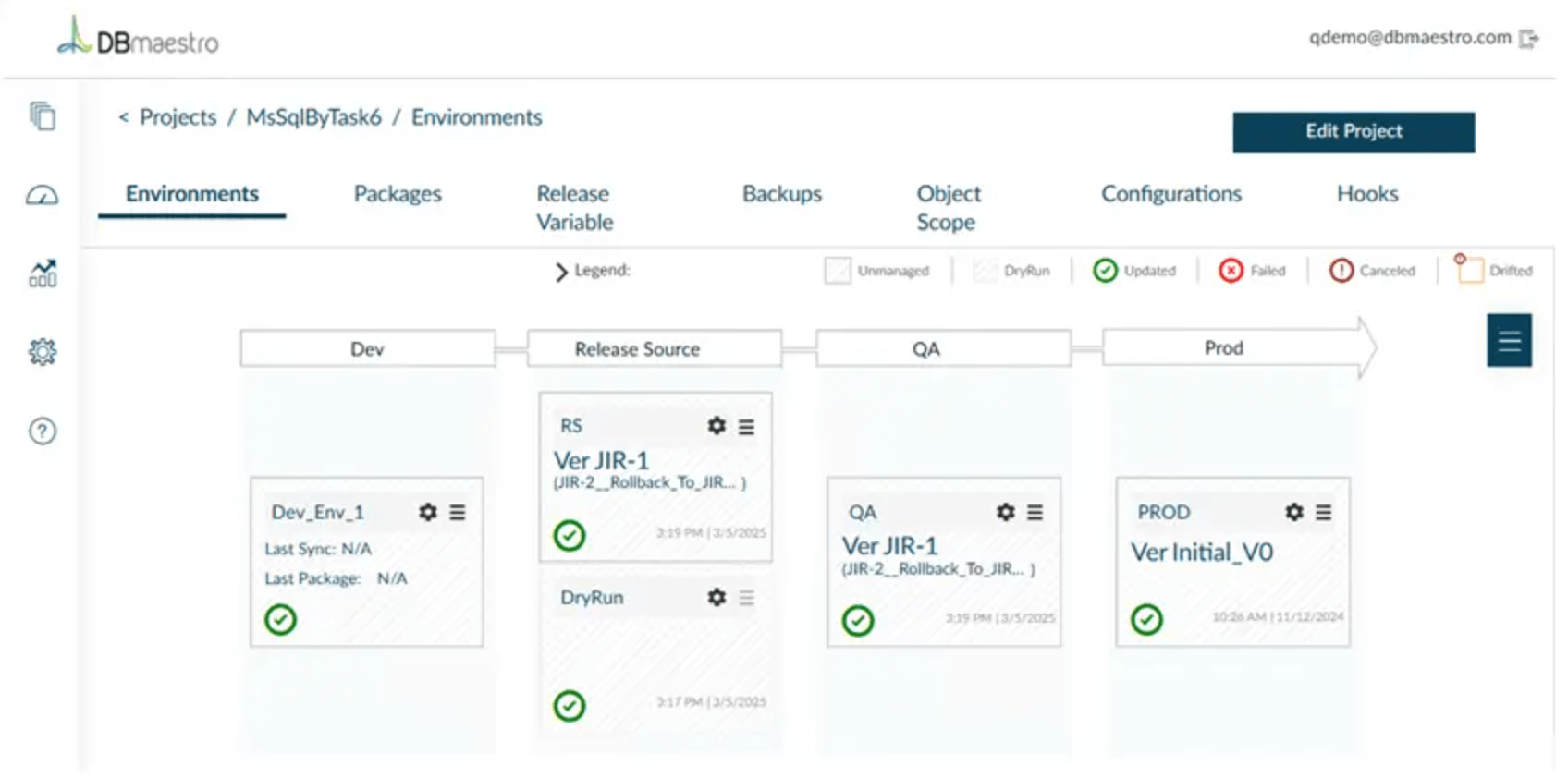
It can bring database changes into a standardized release process, helping teams manage database releases from development through testing to production environments and reducing discrepancies between environments caused by manual operations.
In addition to automated database releases, it also provides pre-release validation, Drift Detection, Source Control, permission controls, and auditing capabilities. Teams can check database state and change content before release, identifying differences between the target environment and the expected version. After release, audit records can track who submitted what changes at what time, what approvals were passed, and what the final execution results were.
Price: DBmaestro does not have a publicly fixed price; it is primarily licensed based on the number of database or schema environment connections in the release process, and you need to contact sales for a quote.
Who it suits: Large enterprises with many production databases, complex release processes, and high requirements for environment consistency, auditing, and compliance.
How to Choose Among the 4 Database CI/CD Tools?
| Tool | Core Capability | Release Method | Open Source Status | Suitable Scenario |
|---|---|---|---|---|
| CloudDM | Integrated incremental SQL identification, review, approval, and execution | Can independently handle database releases and connect to existing CI/CD | Fully open source | Teams with application CI/CD that want to bring database releases into CI/CD at low cost |
| Liquibase | Database change version management, automatic execution, multi-environment progression | Community edition free, commercial edition priced by plan | Community edition free, source available; also has commercial edition | Teams with mature CI/CD that want standardized database change management |
| Harness Database DevOps | Unified orchestration of database and application | Database and application can execute in the same release pipeline | Commercial product | Teams with an existing mature enterprise-level R&D release system |
| DBmaestro | Pre-release validation, environment drift detection, release governance | Enterprise-level database release process | Commercial product | Large enterprises emphasizing release security, auditing, and compliance |
If a team is still manually organizing, reviewing, approving, and executing SQL database by database, CloudDM is more suitable as the first choice. It covers the full database release process, supports integration with existing CI/CD, and is fully open source, fitting teams that need private deployment or cost control.
If you already have a mature release pipeline and only want to manage database change versions and automatically release to different environments, Liquibase is worth considering.
Harness is more suitable for enterprises that already have a large-scale CI/CD system, while DBmaestro leans more toward release governance, compliance, and auditing.
Conclusion
Database CI/CD strings database changes from submission, review, and approval through to execution and recording into a more stable process.
All these tools can complete database releases, but they differ in which aspect of the problem they emphasize. Some are better suited for Git-based change management, some emphasize unified database and application releases, and others lean more toward release governance for large enterprises.
When selecting, you can judge based on your existing process. If you already have application CI/CD and place high value on open source, private deployment, and multi-database support, CloudDM is worth looking at first. All features work out of the box with a low barrier to entry, enabling faster adoption of database CI/CD.